Construction Debris Removal
Pre-construction teardown and post-construction cleanup on investment properties, cleared between phases so the trades keep moving.
Debris Between Phases, Not Just at the End
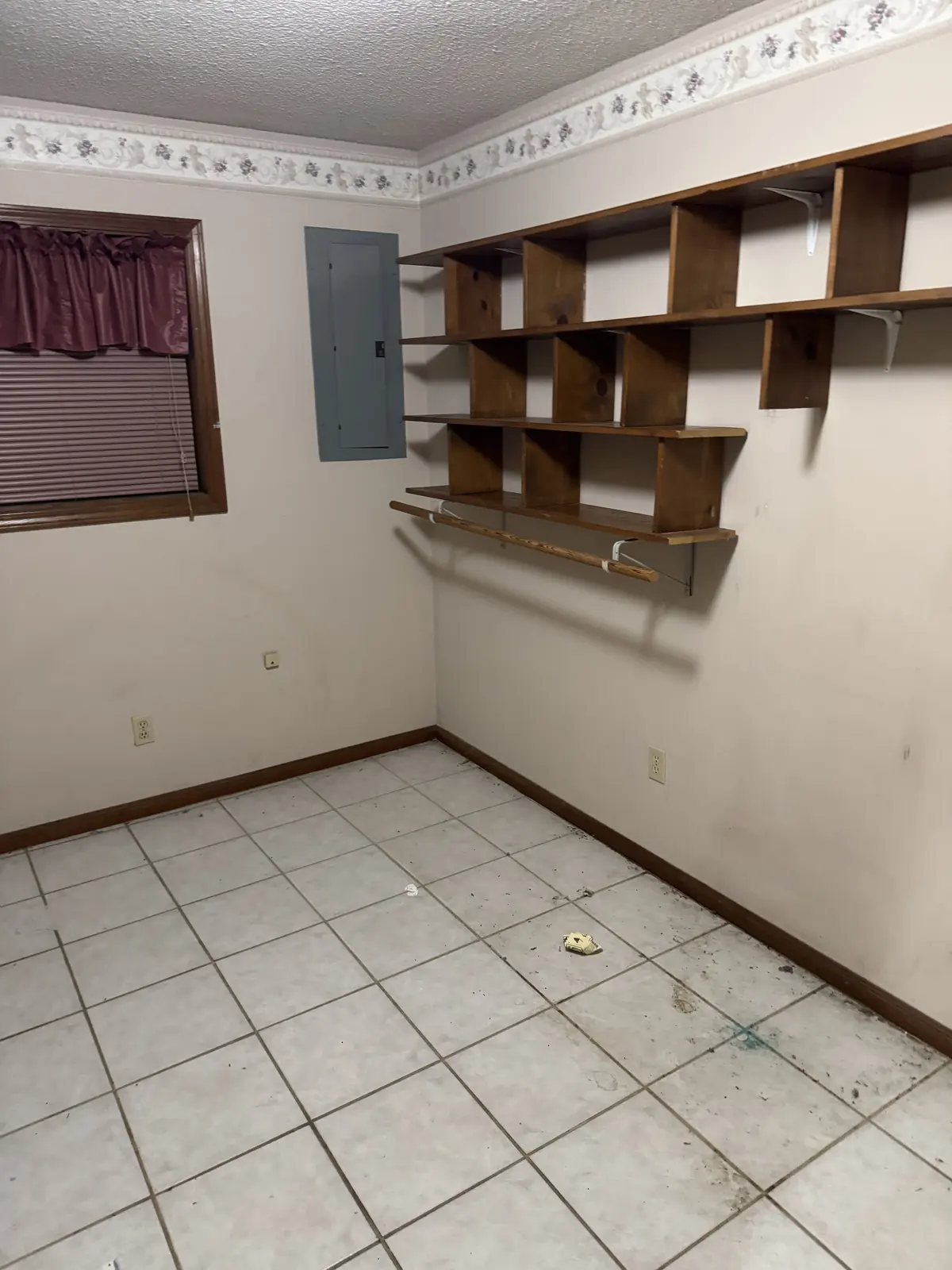
Renovation work makes debris twice. There is what comes out before the trades start (old cabinets, carpet, fixtures, and whatever the last owner left behind), and there is what the build leaves once it is finished.
Both stall a job if they sit. We clear investment properties, flips, and rentals at whichever end of the work you need, and we come back between phases when the schedule calls for it.
Construction debris and other specialty materials may have additional disposal costs, so photos matter more here than on an ordinary haul. Send a few before we quote and there are no surprises later.
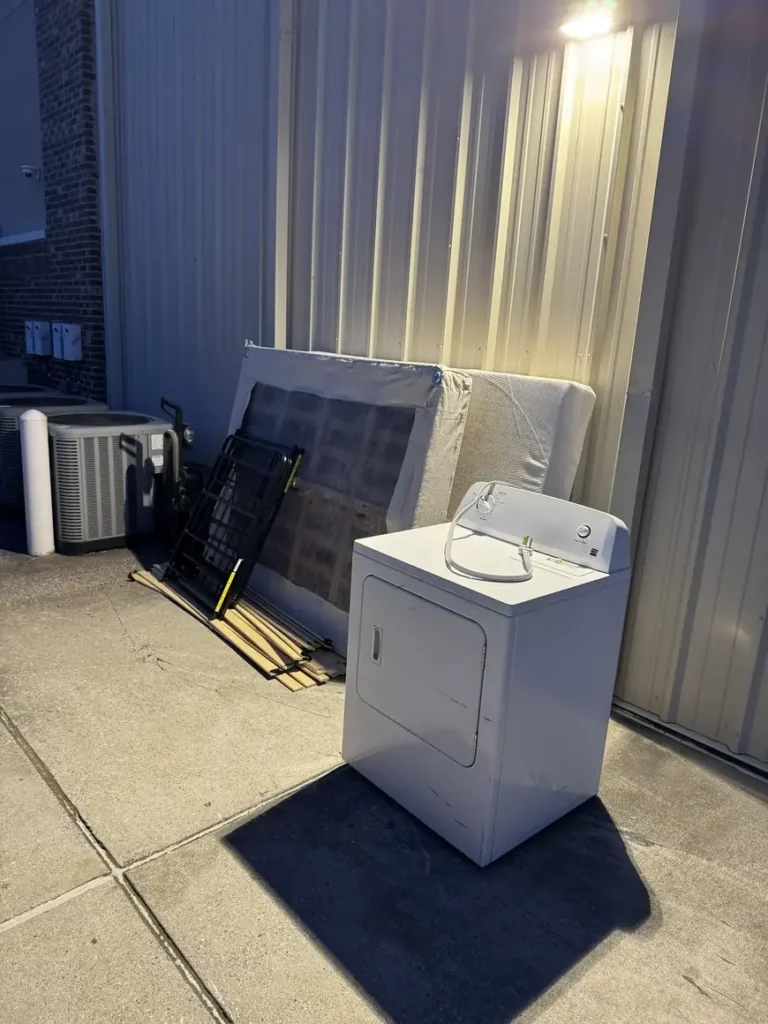
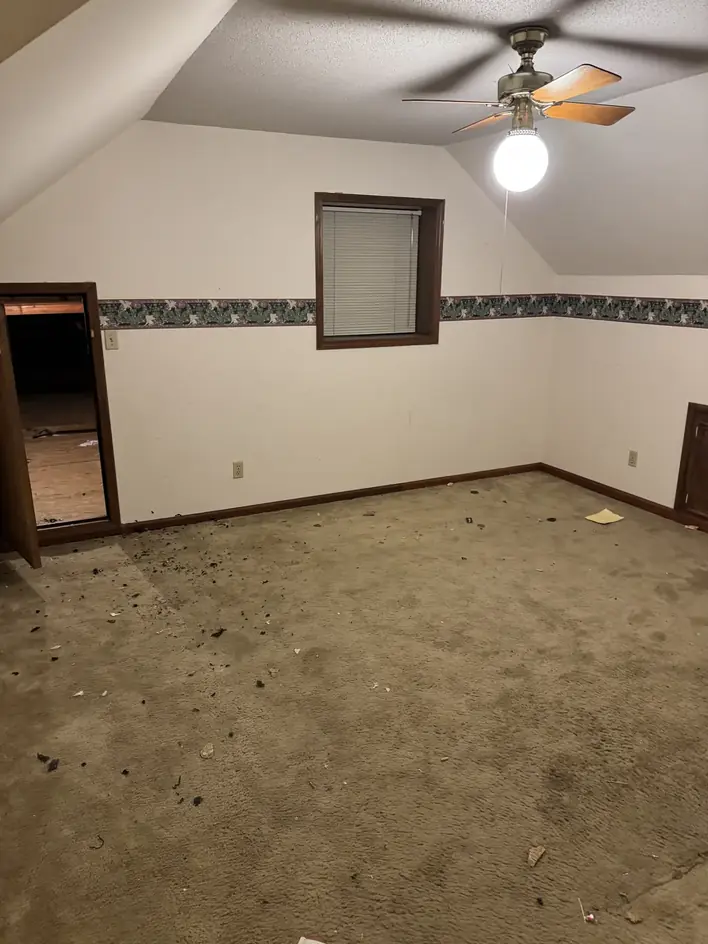
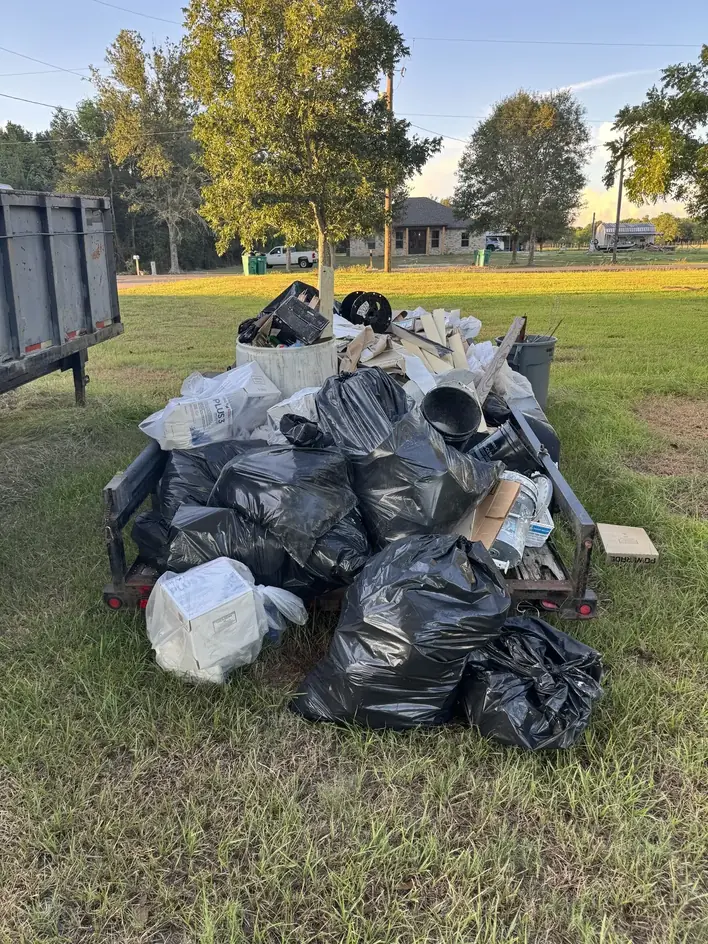
Clearing a Property Mid-Project
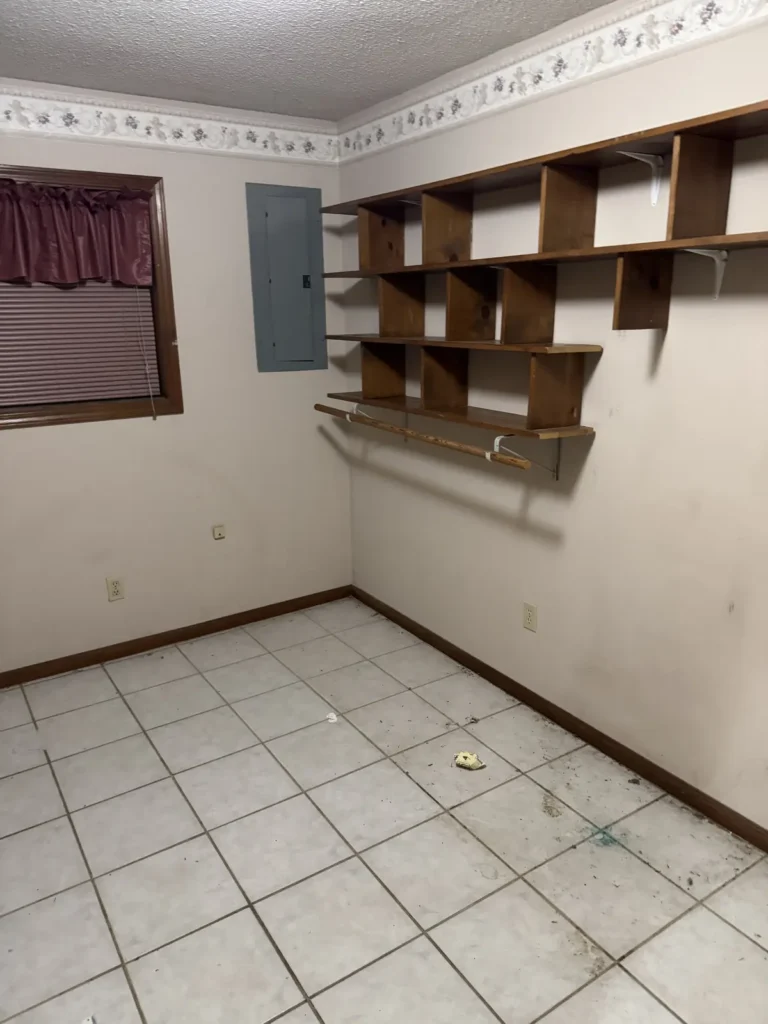
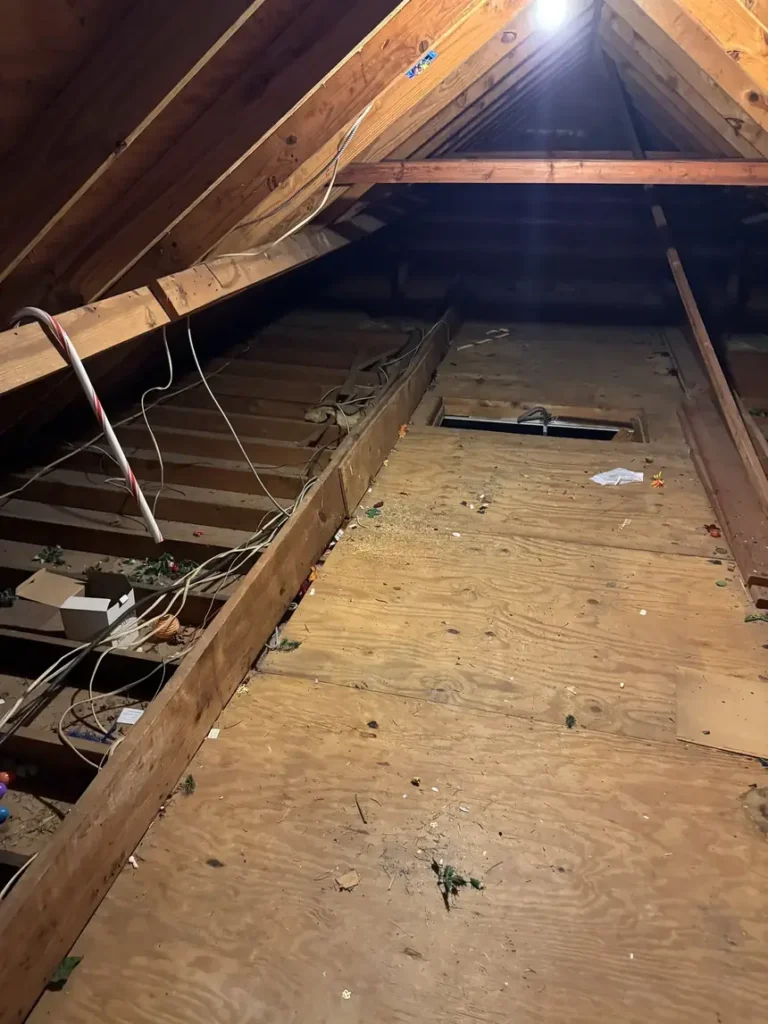
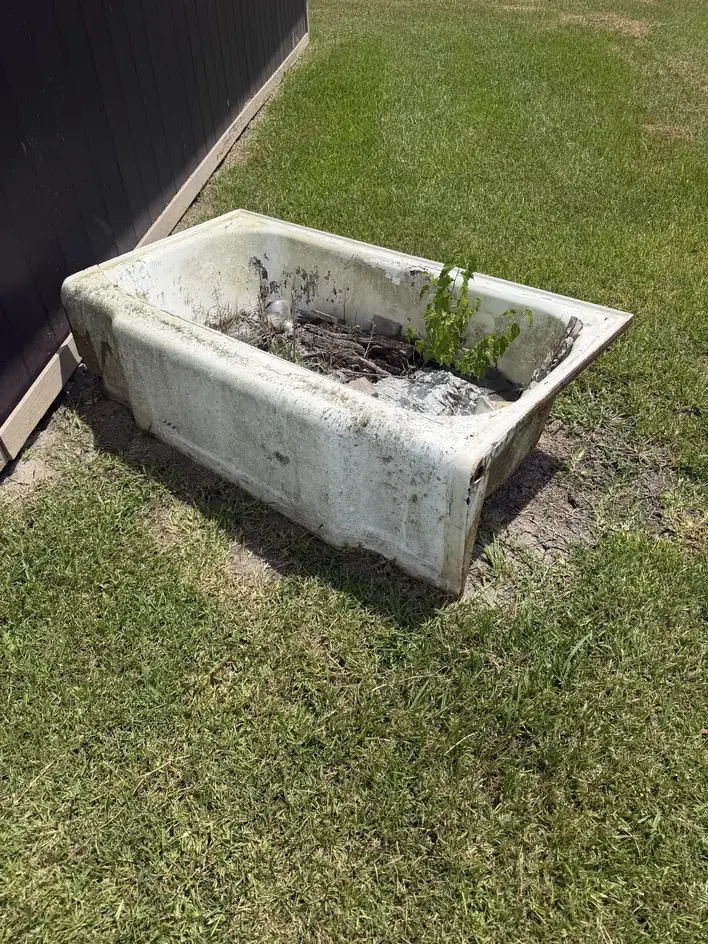
Renovation debris raises questions about timing and material more than about volume.
Either, and often both. Tearing out what is already there before the trades arrive is one job; hauling what the build leaves behind is another. Tell us which end you need and whether there will be more than one trip.
Cabinets, countertops, carpet and padding, fixtures, doors, trim, decking, and the general mess a renovation makes. Send photos and we will tell you what we can take.
It can. Construction debris and other specialty materials may have additional disposal costs, and heavier loads take more labor. We say so in the estimate rather than after the job.
Tell us the window you have and we will schedule to it where we can. On a site that is still being worked, access and the route out are what shape the day.
Send us photos of what needs to be removed and let us know when the property needs to be clear. Estimates are free for local customers. For larger more detailed jobs, an in-person estimate may be recommended for accurate pricing.
How a Construction Haul Runs
Send photos of the debris and tell us where it sits: inside, piled out front, or spread across a room that still has work to finish in it.
We load from where it lies and work around whatever has to stay. If the job needs more than one trip, we would rather plan that up front than discover it on the day.
What is left is a property the next trade can work in, swept rather than just cleared.
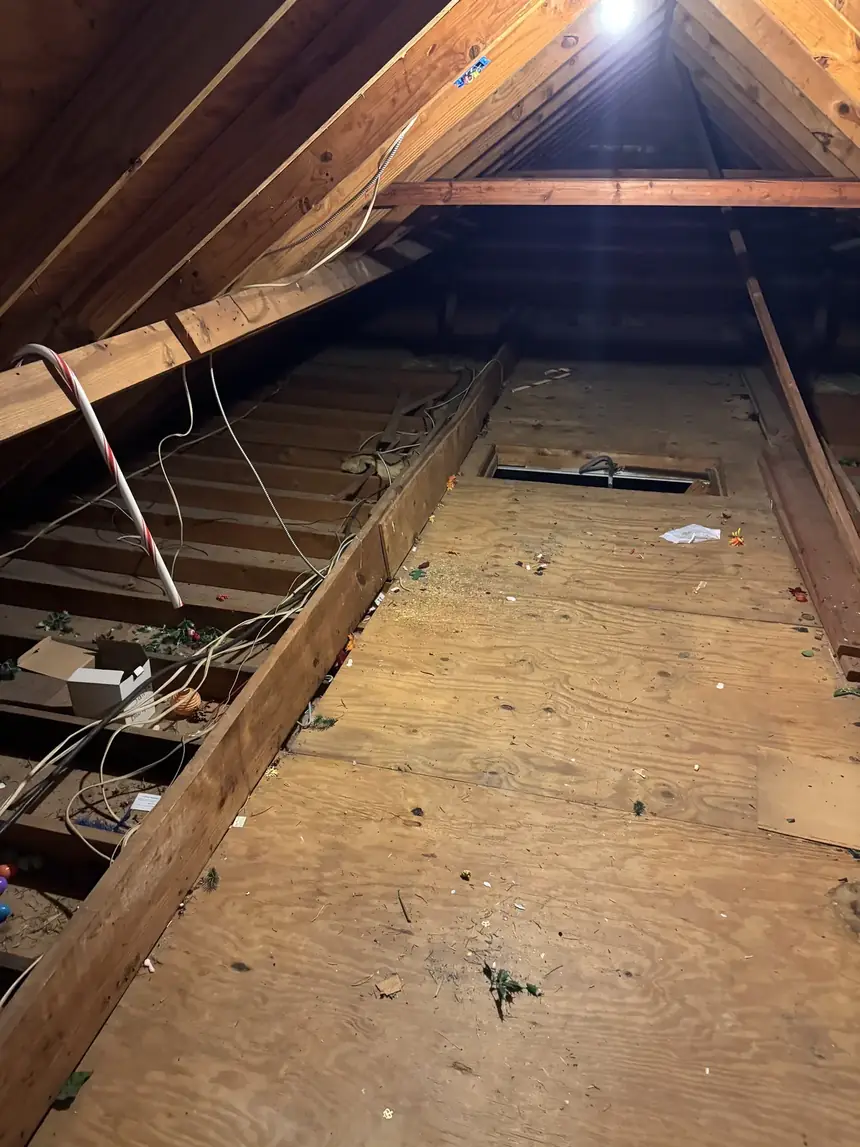
Everything the Krewe Hauls, Across Southwest Louisiana
Explore Our ServicesHome, Garage, and Attic Cleanout
Read MoreMove In/Out & Property Cleanouts
Read MoreEstate Cleanout
Read MoreForeclosure Property Cleanouts
Read MoreCommercial Property Cleanouts
Read MoreStorage Unit Clearing
Read MoreDebris and Yard Hauling
Read MoreConstruction Debris Removal
Read MoreSmall Structure Demolition
Read MoreIllegal Dumping Pickup
Read MoreAppliance and Heavy Items
Read MoreSingle-Item Pickup
Read MoreClear scope before anything is booked.
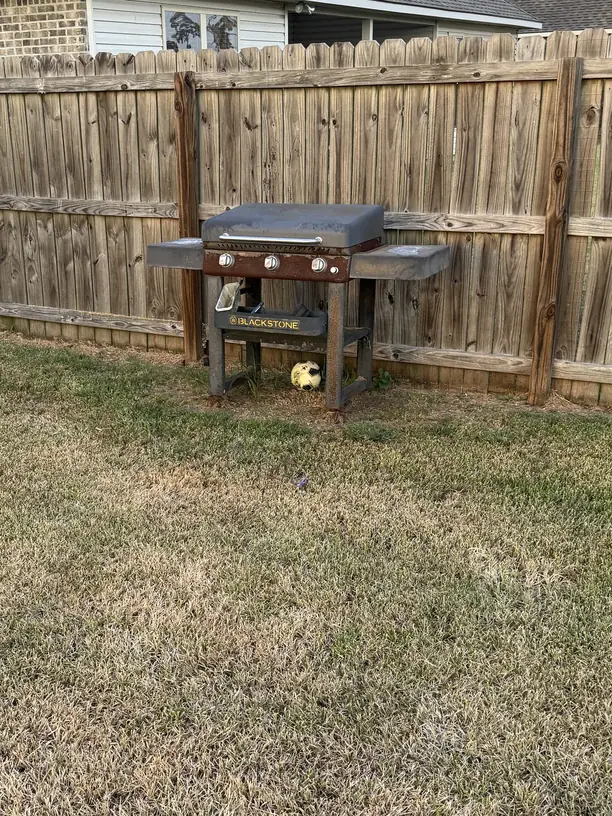
Single-Item Pickup
One bulky item that needs to leave. Send a photo, tell us where it is, and we will confirm if it fits the load and what the pickup involves.
- One-item jobs
- Curbside or inside pickup
- Quick turnarounds
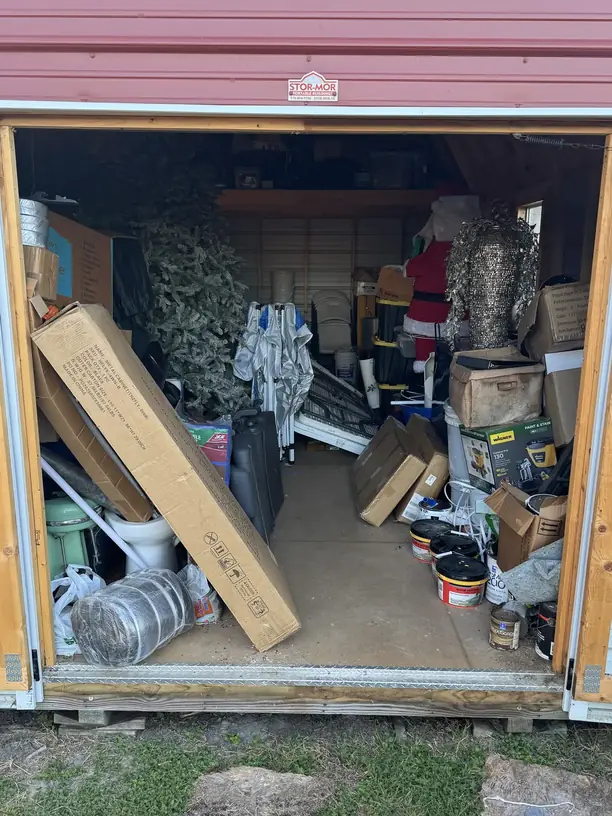
Garage and Room Cleanouts
A garage, spare room, or shed that has to be usable again. Photos of the space and a note about access and stairs help the Krewe scope it accurately.
- Garage clearing
- Spare rooms
- Sheds and outbuildings
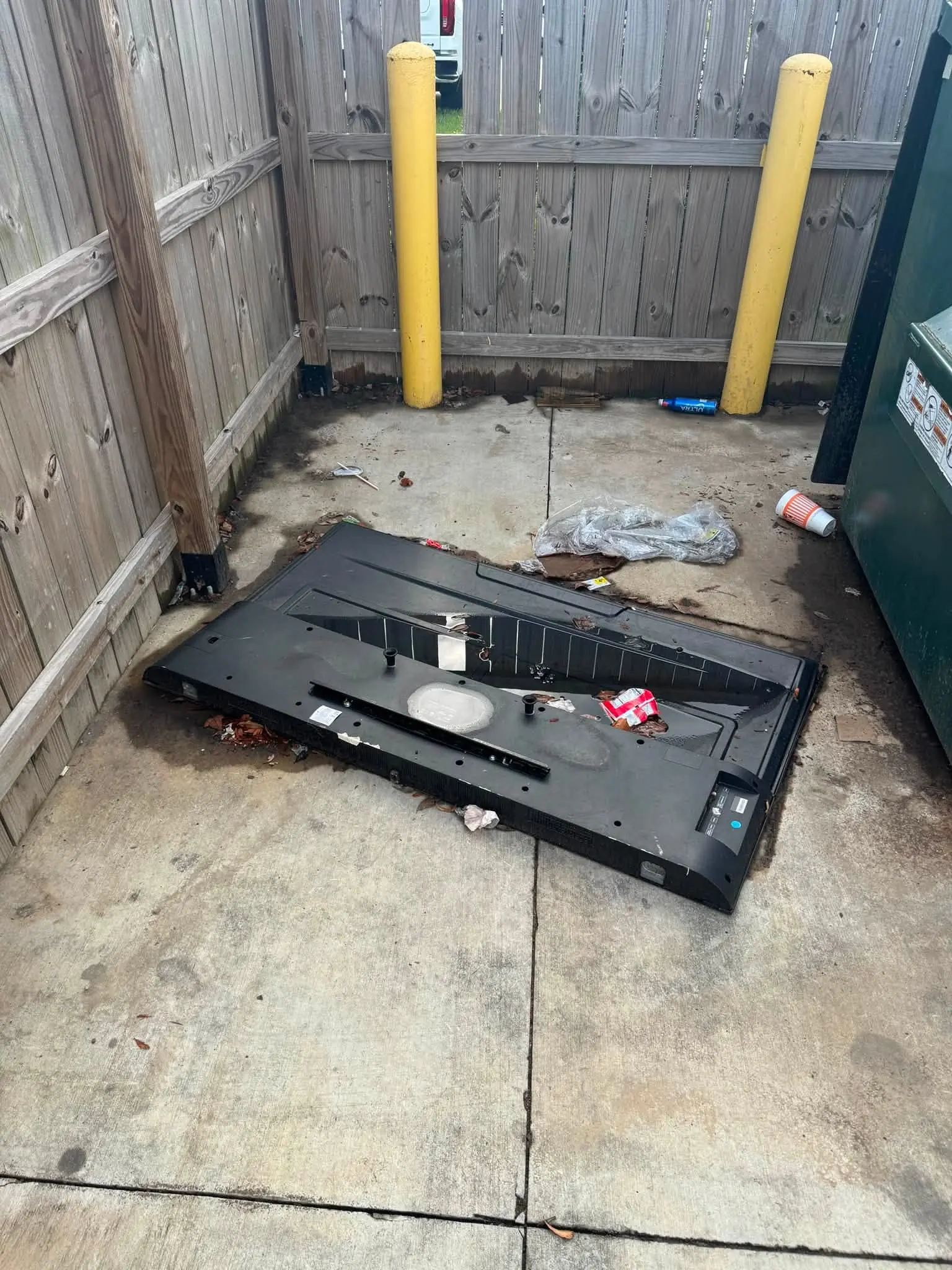
Storage Unit Clearing
A unit that has to be empty before the month ends. Tell us the facility, the unit size, and the deadline, and we will work backward from there.
- Unit clearing
- Deadline jobs
- Facility access
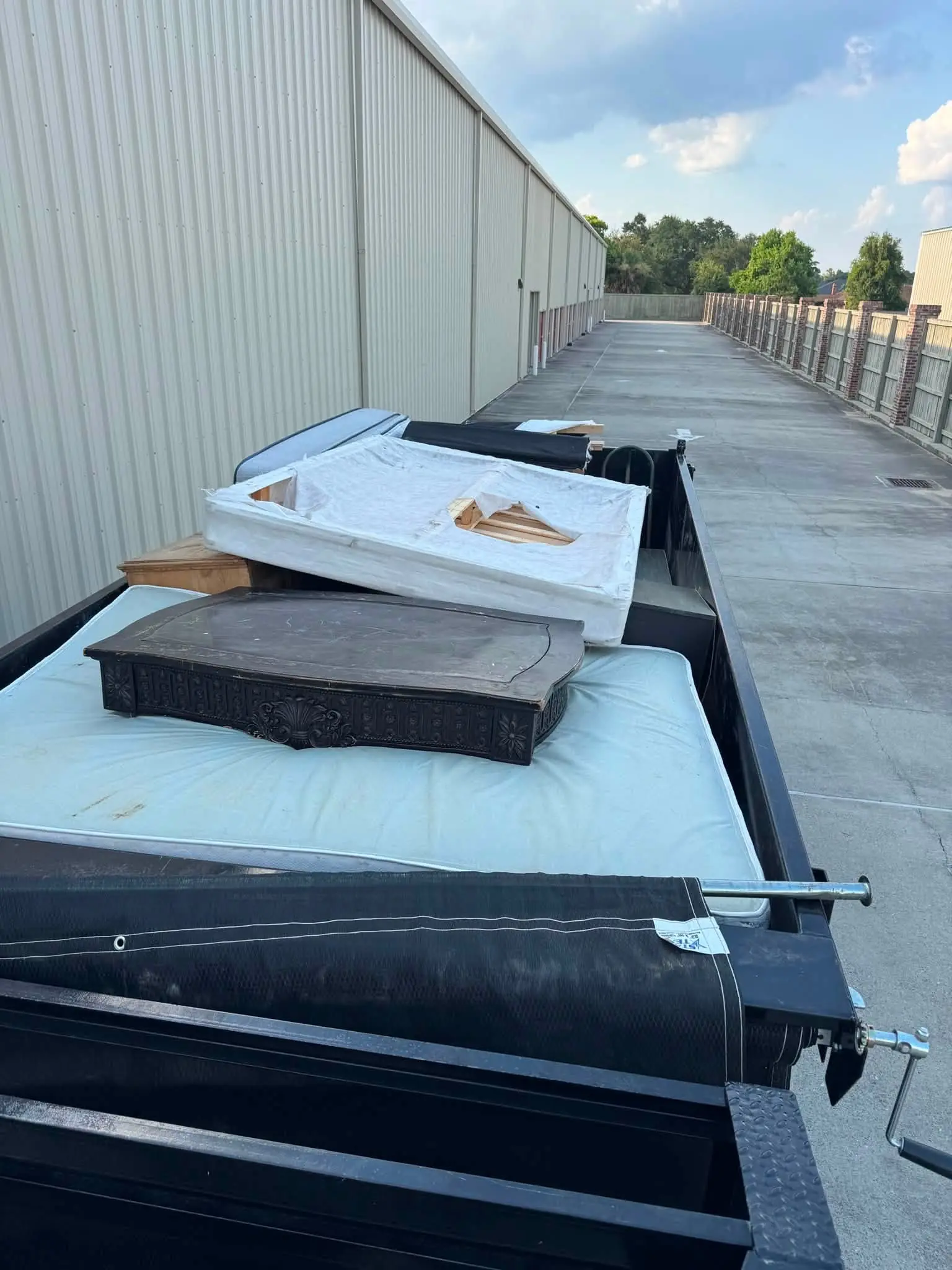
Move-Out and Turnover
A rental or sale that has to be empty and presentable. Send the date it has to be clear and photos of what is staying versus going.
- Move-out clearing
- Tenant turnovers
- Pre-closing resets
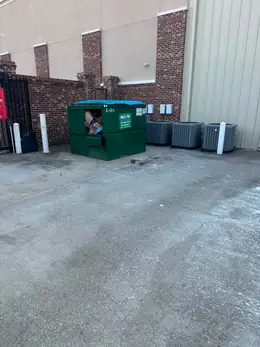
Full Property Cleanout
An entire property from front room to back shed. These jobs get a conversation, not a form. Call and we will figure out what is actually involved.
- Whole-property clearing
- Multi-day jobs
- Coordinated scheduling
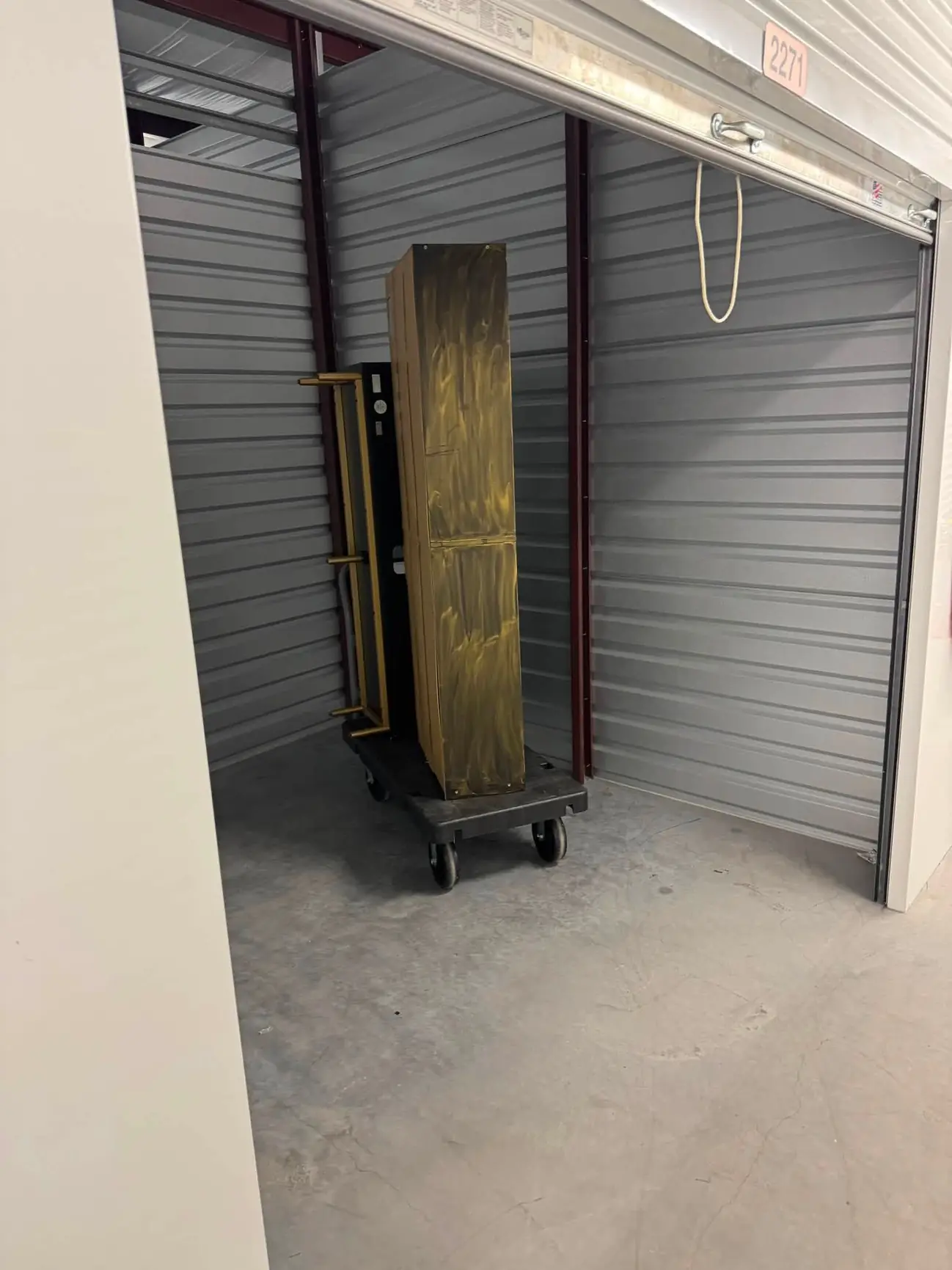
Debris and Yard Hauling
Project leftovers, yard debris, or play equipment that has done its time. Photos of the pile and where it sits tell us most of what we need to know.
- Yard debris
- Project leftovers
- Play equipment